
Disclosure: As an Amazon Associate I earn from qualifying purchases. How this site works
Gel vs Regular Polish
Gel lasts longer and looks glossier; regular polish is simpler and easier to change.
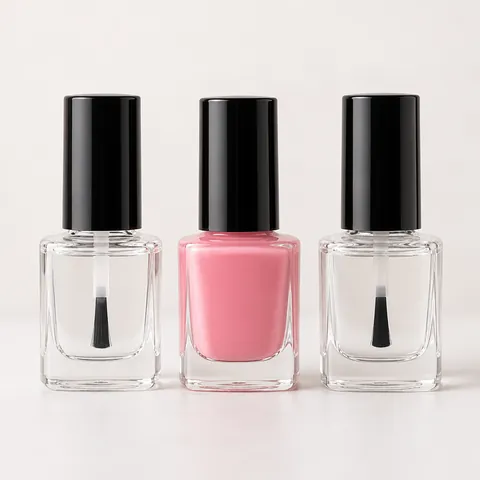 Nail polish, base and top coats
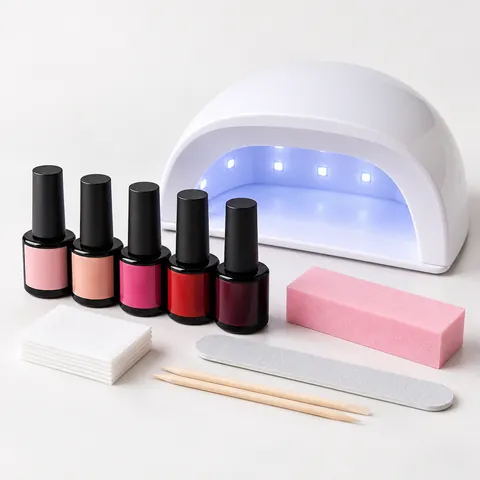 Gel polish kits
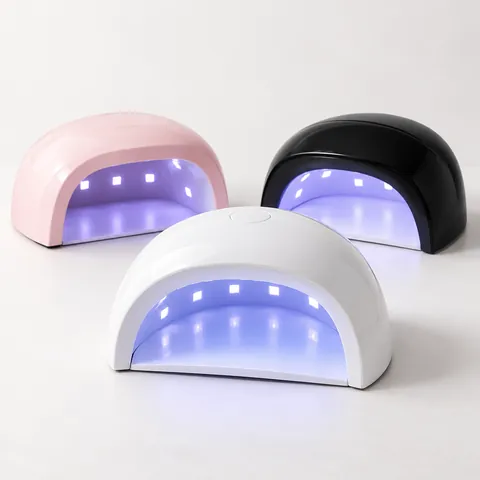 UV and LED nail lamps
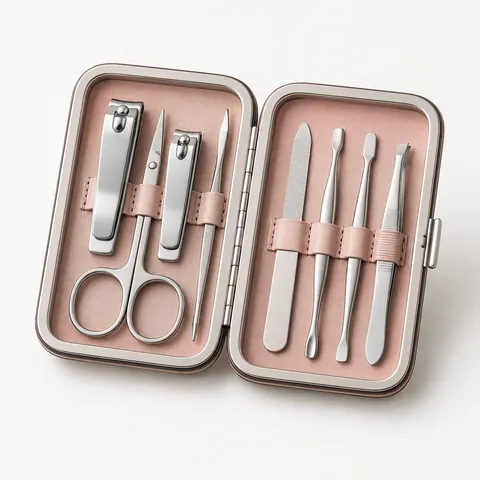 Manicure kits
Comparison
| Gel polish | Regular polish | |
|---|---|---|
| Setting | Cured under UV/LED lamp | Air-dries |
| Dry time | Dry after curing | Can smudge for an hour or more |
| Wear | About 2–3 weeks | A few days to a week |
| Removal | Acetone soak or filing | Remover wipe |
| Starter supplies | Lamp, base, colour, top coat, remover wraps | Base, colour, top coat, remover |
Which to choose
- Choose gel for long wear, travel or busy weeks.
- Choose regular polish if you like to change colour often.
- Take breaks and remove gel gently to avoid thinning the nail.
Compare gel polish kits and regular polish and check what each kit includes.
Removing gel safely
File off the shiny top coat, soak cotton in acetone, wrap each nail in foil or clips for the time the brand suggests, then gently push off softened gel with a cuticle pusher. Don’t peel gel — it removes layers of the nail with it.
Is gel polish bad for your nails?
Gel polish is not automatically bad for nails, but the way it is applied and removed matters. The biggest risks are peeling it off, over-filing the nail plate, curing products on the skin, and wearing damaged lifting gel for too long. If your nails already split, peel, or feel paper-thin, regular polish may be the better short-term choice while they grow out.
Leave a tiny margin around the cuticle and sidewalls when applying gel. Product that sits on skin can lift sooner and may increase the chance of irritation. Stop using a product if you notice itching, burning, swelling, or a rash around the nails.
A break does not need to follow a strict schedule. A practical rule is to pause gel when nails feel sore, flexible, rough after removal, or when you cannot remove the last set without scraping. During a break, keep nails short, use cuticle oil, and use regular polish if you want color without curing.
What should you check before buying a gel or regular polish setup?
For gel, the lamp and polish system need to match. Some gels cure best with LED, some require UV, and some use both. Before buying gel polish kits, check whether the kit includes a compatible base coat, top coat, cleanser if required, removal wraps or clips, and clear instructions for cure times.
For regular polish, the quality of the base coat and top coat matters as much as the color. A smoothing or ridge-filling base can help uneven nails, while a quick-dry top coat is useful if you paint at night or before errands. You can compare base and top coats based on finish, dry-time claims, and whether they are meant for natural nails.
A starter setup should match how often you actually paint your nails. If you change color every few days, regular polish keeps the routine simple. If you want one manicure to last through work, travel, or chores, gel can be worth the extra steps.
Some buying checks are easy to miss:
- Look for clear cure times by coat, not just a general lamp claim.
- Check whether the gel top coat is no-wipe or needs cleanser after curing.
- Avoid very thick polish if you prefer sheer, natural-looking coats.
- Choose a lamp with enough space for your full hand if you want faster at-home manicures.
- Make sure remover supplies fit your routine: acetone for gel, regular remover for standard polish.
| Feature to check | Why it matters |
|---|---|
| Lamp compatibility | Gel that is under-cured can wrinkle, lift, or feel rubbery. |
| Brush shape | A wider brush covers quickly; a narrow brush gives more control on small nails. |
| Top coat finish | Glossy, matte, and no-wipe finishes require different expectations and steps. |
| Removal method | Easy removal reduces the temptation to peel or scrape. |
| Included tools | A kit may still need files, lint-free wipes, or cuticle prep tools. |
How do you make regular nail polish last longer?
Regular polish lasts longer when the nail surface is clean, dry, and lightly prepped. Wash hands first, dry well, then wipe the nail plate with remover before base coat. This removes lotion and oil that can keep polish from gripping.
Use thin coats. One thick coat may look faster, but it dries slowly and dents more easily. Two thin color coats usually level better than one heavy coat. Cap the free edge by brushing a small amount of base, color, and top coat across the nail tip; this helps reduce early tip wear.
Give each layer time to set before the next one. It does not need to be fully dry between coats, but it should not drag when the next coat goes on. After the final top coat, avoid hot water, tight gloves, and digging in bags or pockets for a while, because standard polish can feel dry before it has hardened.
If polish chips within a day, check the basics: skip hand cream before painting, do not soak nails right before polish, file rough tips smooth, and replace top coat that has become stringy.
Can you use gel and regular polish together?
You can combine gel and regular polish, but the order matters. Gel products need curing, and regular polish needs air-drying. Trapping wet regular polish under gel top coat can cause wrinkling, poor wear, or peeling because the solvents cannot escape properly.
The safer mixed method is a cured gel base and gel top coat only if the color layer between them is completely dry, which can take much longer than it looks. Even then, results vary by product. For most people, it is simpler to keep a full gel system together or use a full regular polish system together.
Do not cure regular nail polish in a nail lamp expecting it to dry like gel. A UV/LED nail lamp cures gel formulas that contain photoinitiators; it does not make standard polish hard in the same way. If you want easy color changes over a longer-wearing base, consider using regular polish over a properly cured gel base and removing only the regular polish gently, but avoid acetone-heavy rubbing that may affect the gel surface.
Frequently asked questions
Does gel polish ruin your nails if you only use it once?
One gel manicure is unlikely to ruin healthy nails if it is applied correctly and removed gently. Most damage comes from peeling, aggressive filing, or scraping softened gel too hard. If your nails feel tender or thin afterward, switch to regular polish until the weak area grows out.
Why does my gel polish peel off after a few days?
Common causes include oil or lotion left on the nail, gel touching the cuticle or skin, coats that are too thick, or not curing long enough for the product and lamp. Lifting can also happen if the nail tip was not capped or if the natural nail was peeling before application. Follow the brand’s cure times and keep each coat thin.
Is LED gel safer than UV gel?
Both LED and UV lamps use ultraviolet light to cure gel, though the bulbs and cure times differ. Use the lamp recommended for the gel product, avoid looking directly at the light, and consider fingerless UV-protective gloves if you are concerned about repeated exposure. Do not use a lamp on irritated or broken skin.
Can you remove gel polish with regular nail polish remover?
Most regular polish removers are too weak for gel, especially if they are non-acetone. Gel usually needs acetone plus time to soften before it can be pushed off gently. If the gel does not loosen, rewrap and wait rather than forcing it.
Which looks more natural, gel or regular polish?
Either can look natural if you use sheer shades and thin coats. Regular polish can look slightly softer because it is usually thinner, while gel often has a plumper, glossier finish. If you dislike bulk at the nail edge, apply very thin gel layers or choose regular polish.
Disclosure: As an Amazon Associate I earn from qualifying purchases. This site may earn a commission when you buy through its links, at no extra cost to you. Product details come from public manufacturer information; always check the merchant page for current specifications and prices. We have not hands-on tested the products described here.