
Disclosure: As an Amazon Associate I earn from qualifying purchases. How this site works
Where to Buy Nail Supplies
Each category below links to current listings on Amazon (opens in a new tab). Use this checklist to compare nail supplies before you buy.
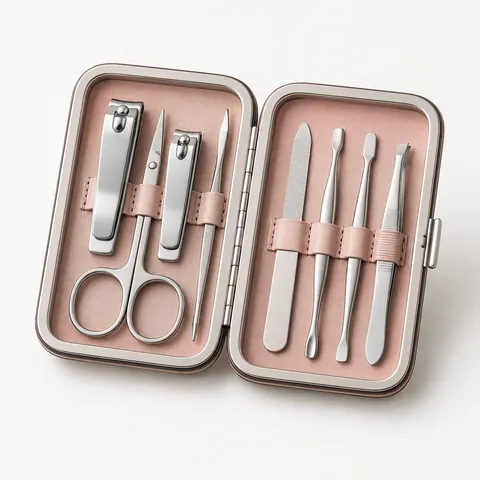 Manicure kits
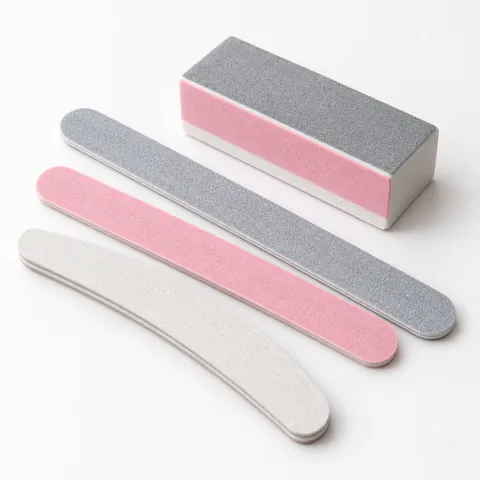 Nail files and buffers
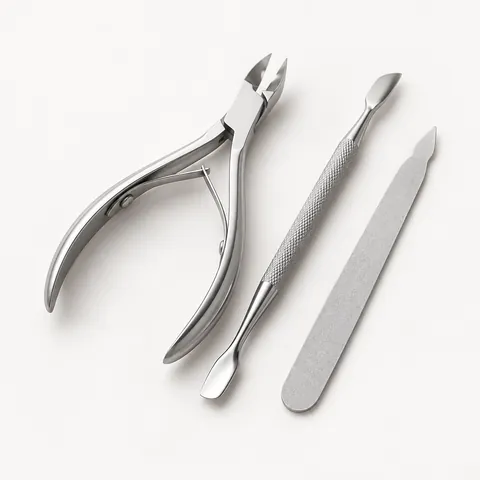 Cuticle tools
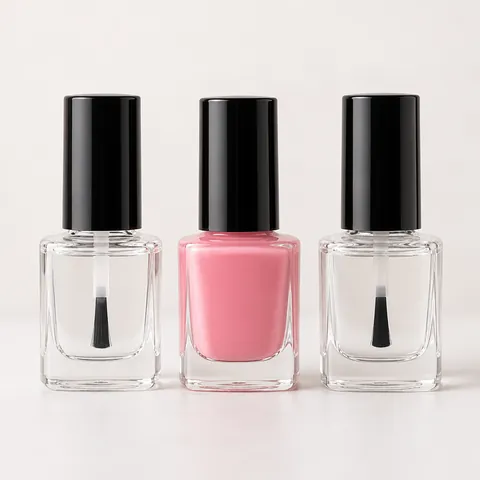 Nail polish, base and top coats
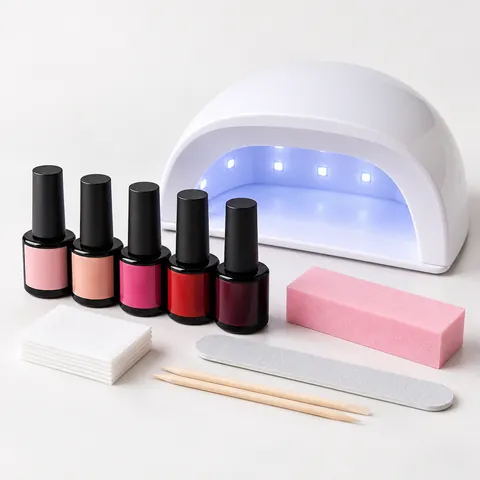 Gel polish kits
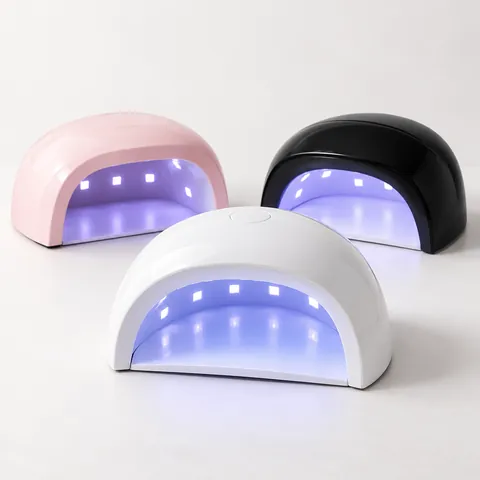 UV and LED nail lamps
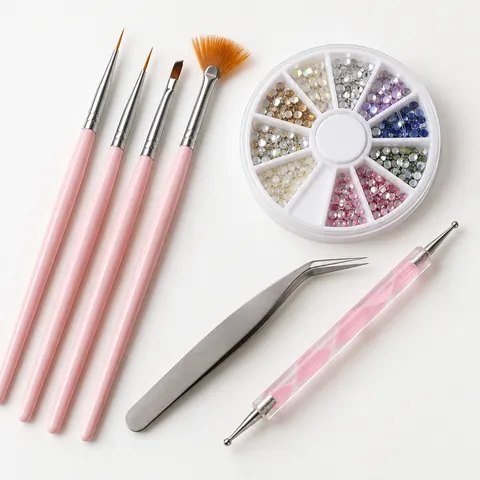 Nail art tools
Before you buy
- List what you already own to avoid duplicate kits.
- Check grit numbers on files and buffers.
- Check gel and lamp compatibility.
- Read ingredient lists if you have sensitivities.
- Read the returns policy.
Categories referenced on this site
- Manicure kits
- Nail files and buffers
- Cuticle tools
- Nail polish, base and top coats
- Gel polish kits
- UV and LED nail lamps
- Nail art tools
In store
Check files by feel, look at colour swatches in daylight, and ask whether gel colours are compatible with the base and top coat you already use.
Should you buy nail supplies online or in a store?
Buying online is best when you know the exact type of item you need, such as a specific file grit, a replacement top coat, or a lamp with stated wattage and cure settings. It is also useful for comparing kit contents side by side, especially when photos show every tool included. Before ordering, read the full listing, not just the title, because titles can combine several related terms that do not all describe the item in the box.
Buying in person is better when color accuracy, tool feel, or bottle size matters. Polish shades can look different on a phone screen, and files can feel coarser or softer than expected even when the grit number is listed. For cuticle pushers, nippers, and clippers, a store visit lets you check the hinge movement, grip size, edge alignment, and overall weight before you buy.
| Buy online when | Buy in store when |
|---|---|
| You need to compare many kit contents quickly | You want to see polish colors under normal lighting |
| You know the grit, size, or compatibility you need | You want to feel file texture or tool weight |
| You are replacing a product you already like | You need help matching gel, base coat, and top coat |
| You want to read labels and Q&A before deciding | You need the item the same day |
What should beginners buy first?
A beginner does not need every nail product at once. Start with the items that handle shaping, basic cuticle care, and a simple polish routine. Add gel, nail art, or electric tools later only if you will use them enough to justify the storage, setup, and learning curve.
- Choose a basic trimming and shaping setup: nail clippers or scissors, a file, and a buffer. If you want an all-in-one option, compare beginner manicure kits by tool count, case quality, and whether the tools are stainless steel.
- Add files in more than one grit. Coarser files shape length faster, while finer files smooth edges and are less aggressive on natural nails. If you are unsure, look for nail files and buffers that clearly label each grit.
- Choose gentle cuticle care. A pusher, cuticle oil, and a small cleanup tool are usually enough for home use. Avoid buying sharp cuticle nippers unless you understand how to use and clean them safely.
- Pick one polish system at a time. Regular polish is simpler because it dries without a lamp. Gel can last longer, but it requires compatible gel products, a curing lamp, and careful removal.
For a first purchase, avoid oversized bundles with many duplicate tools. They can look like a better value, but the extra pieces often go unused. A smaller set with the right grit labels, comfortable tools, and clear care instructions is usually easier to learn with.
How do you check quality before buying nail supplies?
For metal tools, look for smooth edges, even alignment, and a finish that can be wiped clean. Hinged tools should open and close without wobbling. If the listing or package does not describe the material, cleaning instructions, or intended use, compare it with another option that gives more detail.
For files and buffers, the most useful detail is the grit number. Lower grit numbers are more abrasive, while higher numbers are finer. Very coarse files are generally for artificial enhancements, not thin or peeling natural nails. If you work mostly on natural nails, choose files that include finer options for finishing the free edge.
For polish, read the bottle description and label details carefully. Confirm whether it is regular lacquer, gel polish, builder gel, dip product, or a top coat. These products are not interchangeable. Also check whether the base coat and top coat are part of the same system or are listed as compatible by the seller or manufacturer.
- Look for clear photos of the actual contents, not only lifestyle images.
- Check bottle volume, file size, tool length, and lamp dimensions when listed.
- Read low-rated reviews for patterns, such as leaking bottles, missing pieces, or unclear instructions.
- Make sure replacement parts or refill items are easy to find before buying a larger system.
- Avoid listings that hide basic details such as cure type, included items, or material.
Where can you buy professional nail supplies?
Professional nail supplies are sold through beauty supply stores, salon distributors, manufacturer websites, and large online marketplaces. Some distributors sell only to licensed professionals or require an account before showing full product information. If you are buying for home use, check whether the product is intended for consumer use and whether the instructions are complete enough for a beginner.
Professional does not automatically mean better for every home manicure. Some products are designed for speed, repeated salon use, or trained application. Strong prep products, advanced gels, and electric file attachments can damage nails when used incorrectly. If a product requires training, special ventilation, or a precise removal process, choose a simpler version until you are confident.
When comparing pro-style items, focus on the system, not just the individual bottle or tool. A gel color may need a matching base, top coat, primer, or lamp range. Nail art tools may need specific brushes, cleanup supplies, or curing steps. If you want to experiment, start with a small set of nail art tools rather than a large collection of powders, gels, and accessories.
What should you check at checkout?
Before paying, review the cart item by item. Nail supplies can have similar names, and it is easy to add the wrong size, grit, color, or formula. Check that every product matches the routine you plan to use, especially if you are mixing items from different sellers.
- Confirm quantity, shade name, finish, and bottle size where shown.
- Check whether a kit includes consumables such as remover wraps, cleanser pads, or only the main tools.
- Review shipping restrictions for liquids, gels, and removers because some items may ship differently than tools.
- Look for sealed packaging when sanitation matters, especially for files, buffers, and cuticle tools.
- Save order details and product instructions in case you need to reorder the same item later.
If a return policy excludes opened beauty items, assume you may not be able to return polish, gel, or single-use supplies once the seal is broken. For items with fit or compatibility questions, such as lamps and gel kits, verify the details before opening everything.
Frequently asked questions
Is it cheaper to buy nail supplies as a kit or separately?
A kit can be a good choice if you will use most of the included items and the listing clearly states what is inside. Buying separately is better when you already own basics or need a specific grit, tool shape, or polish type. Do not judge only by item count; duplicates and low-use extras can make a large kit less practical.
Can I buy salon nail products without a license?
Some salon products are sold to the public, while others are limited to licensed professionals or distributor accounts. The rules depend on the seller and product type. If a product is available to consumers, still read the directions and warnings because professional formulas may require more careful application and removal.
What nail supplies should I avoid buying used?
Avoid used porous items such as files, buffers, toe separators, and orangewood sticks because they are difficult to sanitize fully. Be cautious with opened polish, gel, remover, or cuticle products because you may not know their age, storage conditions, or whether they were contaminated. Metal tools are safer to buy new unless you can verify condition and clean them properly.
How can I tell if a gel polish will work with my lamp?
Check the gel product description for the type of light it needs and the recommended cure time. Then compare that with your lamp's listed light type and settings. If either listing is vague, buy from the same system or choose a product with clearer compatibility information.
Disclosure: As an Amazon Associate I earn from qualifying purchases. This site may earn a commission when you buy through its links, at no extra cost to you. Product details come from public manufacturer information; always check the merchant page for current specifications and prices. We have not hands-on tested the products described here.